Backlinks work as your digital recommendation for your website. Google learns that your website has good expertise in the niche when you have sufficient backlinks. Moreover, backlinks assure your website is a trustworthy one.
A decent ratio of high-quality backlinks improves your site’s authority. Overall, backlinks help you achieve better visibility. They also improve your ranking fast.
Understanding Backlinks
Backlinks are a reference link from another website related to your website. It works like an interconnected network. They work as trustworthy recommendations to your website.
What Is a Backlink in SEO Terms?
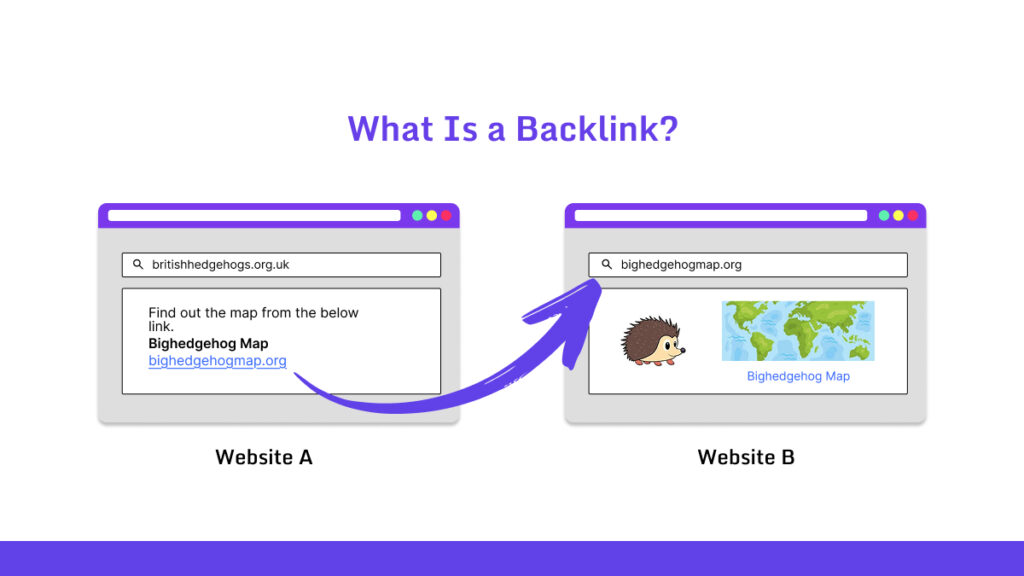
A backlink is a hyperlink from another website to your website as a trusted token. It signals trustworthiness, authenticity, and a genuine source of information to the search engines.
A backlink connects your website to another website to establish authority. If website A adds a clickable page link from website B, that is a backlink for website A.
Internal Links vs Backlinks
The key difference lies in their sourcing method. An internal link connects to other pages of your website. Conversely, backlinks come from other related sites.
| Feature | Internal Links | Backlinks |
|---|---|---|
| Source | From one page on your site to another. | From an external website to yours. |
| Primary Goal | Site architecture and user navigation. | Building authority and trust. |
| SEO Impact | Helps Google crawl and understand your site. | Acts as a “vote” for your site’s quality. |
| Control | You have 100% control over these. | You must earn or build these from others. |
Why Are Backlinks Important for SEO?
Backlinks work as the primary currency of the web. When you wisely use them across your website, they improve your website ranking. You dominate easily in search engines over your competitors.
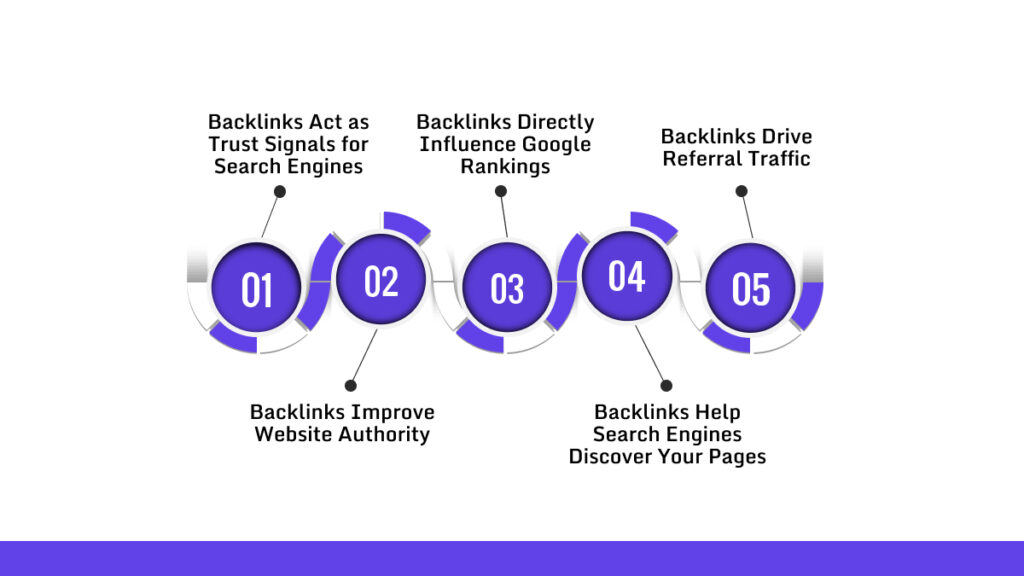
1. Backlinks Act as Trust Signals for Search Engines
Think of backlinks as professional recommendations. In SEO, backlinks serve as trust signals. When a reputable site links to you, they are effectively telling Google, “We trust this information.”
Brian Dean explored and gathered Google’s 200 Ranking Factors, and a lot of factors get checked with good backlinks.
2. Backlinks Improve Website Authority
Google was built on the idea to show highly relevant and “important” pages over others. When you search for something, the first page gathers the most important pages altogether.
Readers and Google both trust websites with quality backlinks. As a result, Google suggests your domain more frequently to read. This is how Google’s PageRank concept works.
Domain Authority vs Page Authority
The DA or domain authority means the overall strength of your website. The PA or page authority means the strength of a specific page link. Backlinks automatically aid in making your website more searchable. Google also displays other pages from your website for relevant search queries.
3. Backlinks Directly Influence Google Rankings
Historically, Google was built on the idea that the “most important pages” are the ones that the rest of the web points to. When you have a decent amount of quality backlinks, it also considers you as one of them.
4. Backlinks Help Search Engines Discover Your Pages
When you get more quality backlinks, Google approves your pages and the existing content positively. Google’s algorithm often refers to your content as a trustworthy answer to the user’s query.
5. Backlinks Drive Referral Traffic
While we often focus on the technical side, the referral traffic from backlinks is a major secondary benefit. If a popular news site links to your guide, thousands of real people may click that link.Suppose your link-building marketplace got a link from Moz.
People will be interested in visiting your site. It will increase engagement, and your website will naturally gain better and more genuine traffic. Automatically, you will achieve more visibility.
Confused about your authority backlinks? You can talk directly to Linkscope’s backlink experts.
How Backlinks Impact SEO Performance?
Top SEO experts are using proven backlinking methods for better visibility. Let’s see how these processes are helping websites:
Top 5 SEO Benefits of Backlinks
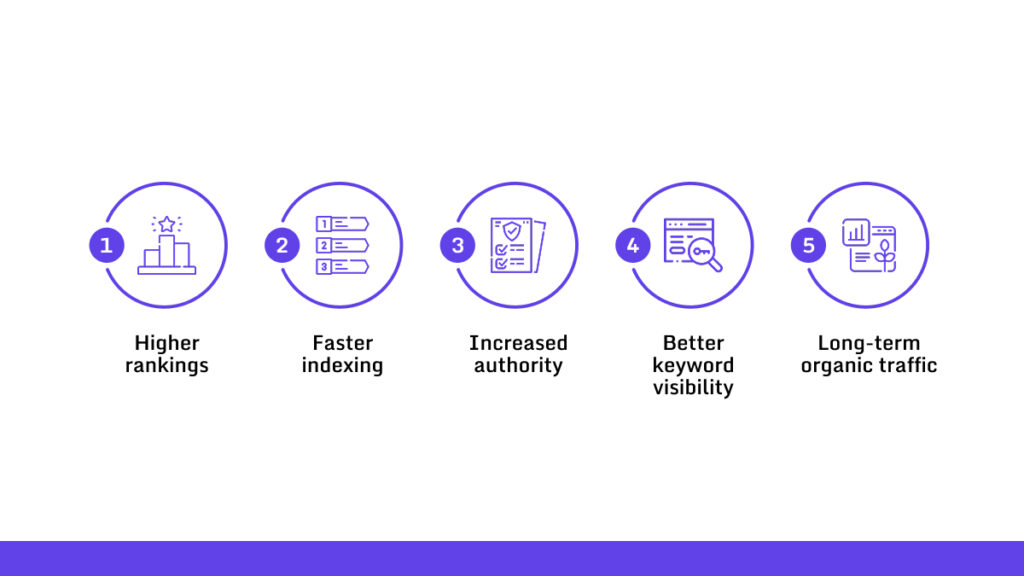
- Higher rankings: Genuine traffic automatically announces you as a credible website. Your website ranks higher naturally.
- Faster indexing: Versatile engagement helps you to be acknowledged faster. Your pages get indexed sooner.
- Increased authority: Consistent link building can double your domain’s strength.
- Better keyword visibility: Your keywords rank higher when people find relevance. They visit your website more, which shows a higher engagement rate.
- Long-term organic traffic: Good backlinks refer more visitors to your website. You get more traffic with minimal effort.
What Actually Makes a Backlink Valuable for SEO?
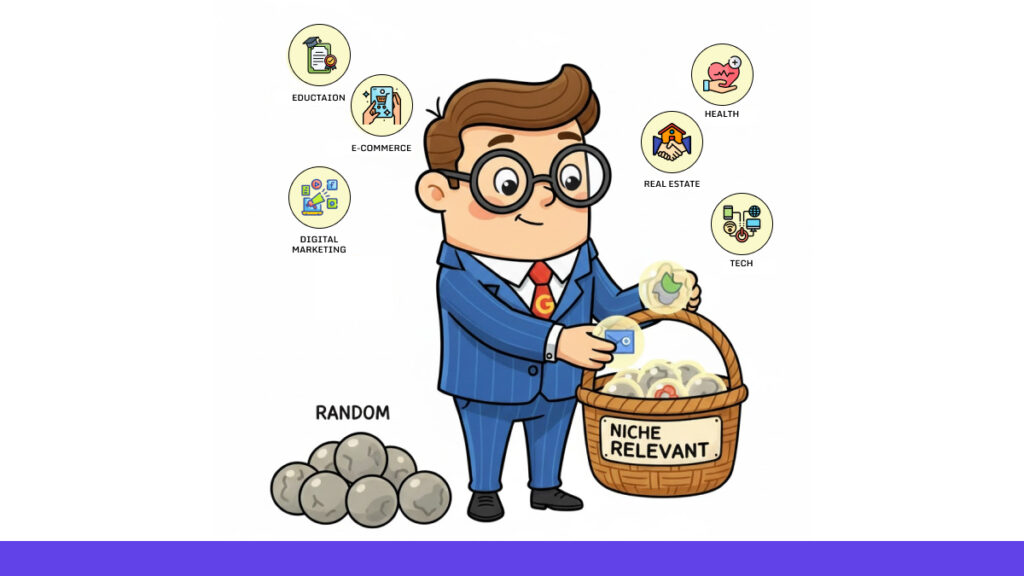
Not all backlink types in SEO are equal. In fact, a “bad” link can actually hurt your site.
Relevance of the Linking Website
A link from a fitness blog to a pizza shop is okay, but a link from a food critic’s blog to that pizza shop is gold. Google prioritizes niche-relevant backlinks because they make more logical sense to the user.
Authority of the Linking Domain
Suppose your website has one link from The New York Times. It will work as way much better recommendation than 100 low-quality websites. Focus on quality backlinks from sites that Google already trusts.
Anchor Text and Context
The “Anchor Text” is the clickable word or phrase. If you follow best anchor text practices, it suggests you are using natural language.
- ➜ Exact Match: This one is powerful as a natural linking method. Use them wisely.
- ➜ Natural Anchors: Use descriptive phrases to maintain a healthy profile.
To develop a good backlink strategy, you must know the key attributes of both backlink types.
- ➜ Follow backlinks: The direct link directly to your website. Work as high authority links.
- ➜ No follow backlinks: They do not directly pass link juice, but drive traffic.
We recommend keeping a healthy balance of both. Only the following link often gets penalized as spamming or fake engagement.
Types of Backlinks You Should Know
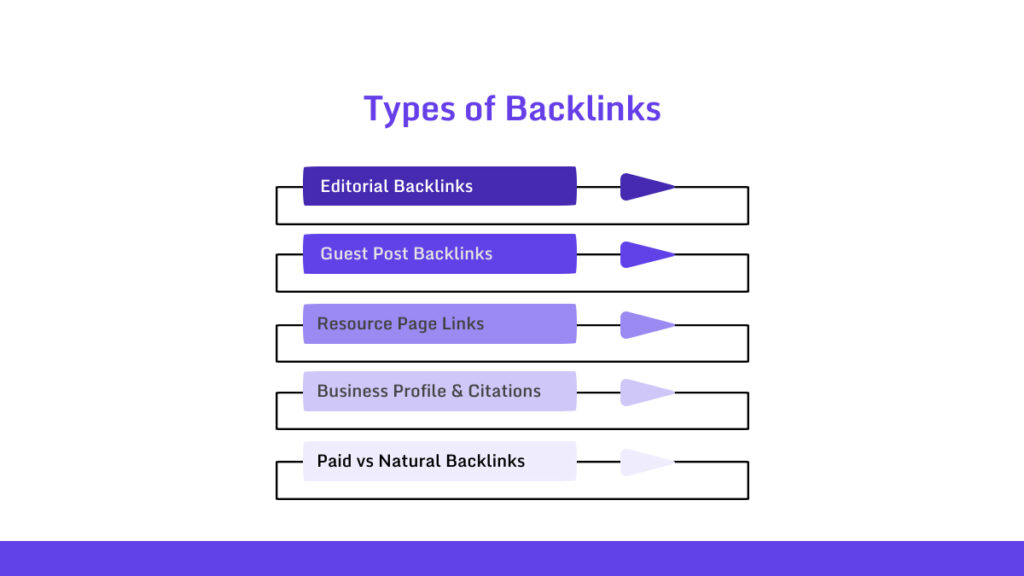
If you want to learn how to create backlinks, you must learn their types. It will help you to understand their importance and invest your effort wisely.
1. Editorial Backlinks
These occur naturally when a journalist or blogger finds your content so good that they link to it. They are also good for your website.
Risk level: Zero
2. Guest Post Backlinks
You write an article for another site in exchange for a link. Prioritize quality websites to get maximum positive value.
Risk level: Minimal.
3. Resource Page Links
These links mostly come from “Best of” lists or targeted guides. They offer maximum conversion for highly search intent-focused content.
Risk level: Zero.
4. Business Profile & Citations
You establish your website by listing your service profile on the directory websites.
Risk level: Minimal.
5. Paid vs Natural Backlinks
Natural links come through public recommendation or linking to other trustworthy sites. Meanwhile, paid backlinks are acquired through monetary transactions. Paid links are riskier. Multiple irrelevant website links and low-quality references drag you down.
Are Backlinks Still Important for SEO in 2026?
Backlinks are still a core effective factor, even highly effective for AI-driven search. AI answers are based on trustworthy Google pages. Mastering backlinks empowers you as a reliable reference.
Backlinks vs Content vs User Signals
High-quality contents attract visitors and signal good user engagement. Overall, good backlinks serve as a third-party verification. They are like professional recommendations for your website.
Here is how they work:
- ➜ Content: Shows topical relevance.
- ➜ User Signals: Indicates how user-friendly your page is.
- ➜ Backlinks: Confirms your status as a trusted industry leader.
Google has moved from the entity-based link strategy. Instead, it prefers quality citations from higher authoritative pages.
3 Common Backlink Myths
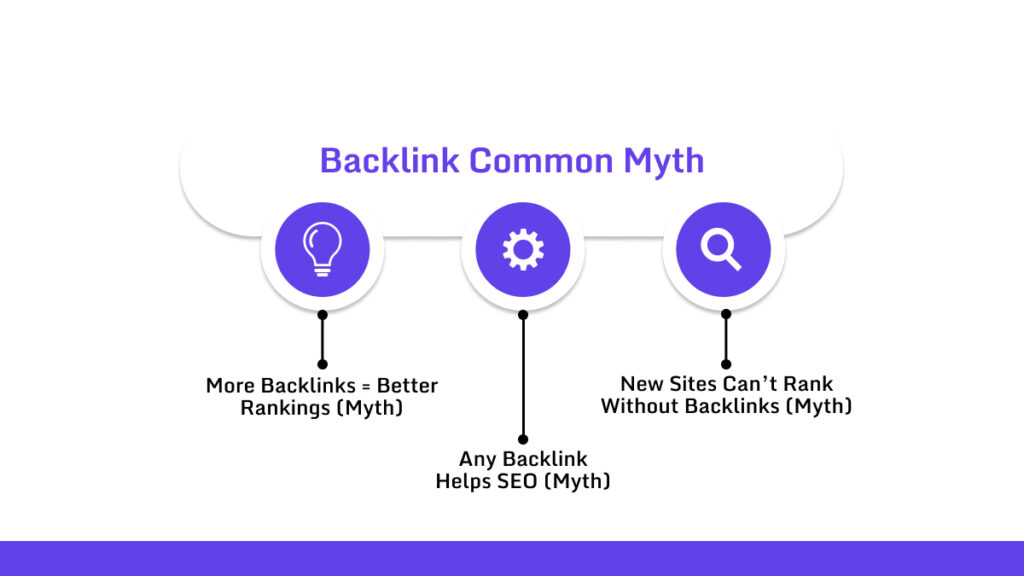
There are some common backlink myths you will hear from time to time. We will explain the real facts based on data-driven insights.
1. More Backlinks = Better Rankings (Myth)
The reality is that 10 editorial and natural backlinks will drive more quality traffic than 100 low-quality links. Google’s algorithm always prefers quality over quantity of your backlinks.
2. Any Backlink Helps SEO (Myth)
A bad link can pull down your website’s rank. This also reduces your page relevance, and you gradually lose visibility. Avoid this approach to save your website.
3. New Sites Can’t Rank Without Backlinks (Myth)
New sites can earn decent visibility by providing intent-focused and long-form quality content.
How to Get Backlinks the Right Way?
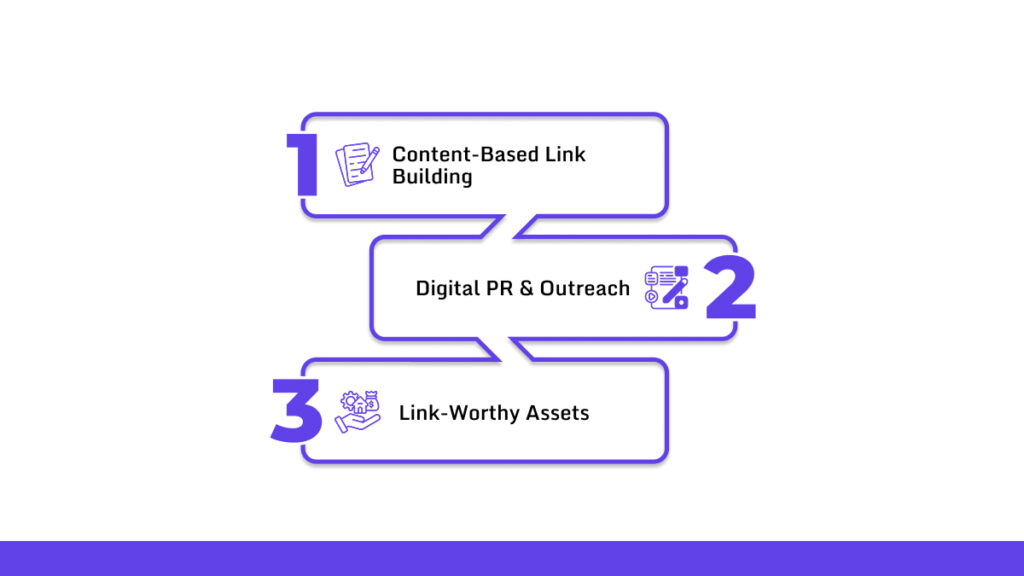
Now we will learn how to create backlinks. If you want to establish an impactful link-building SEO strategy, focus on two things. Firstly, you need to link your site to better websites. Secondly, create effective backlink opportunities.
The following methods work beautifully to establish link-worthy assets on your website:
1. Content-Based Link Building
Publish 10x more content, highly intent-focused, that will help the readers solve their problem. Include good-quality backlinks in them. Promote your content across trustworthy websites. Furthermore, publish relevant content on high authority platforms too.
To gain more significant value than the competitors, provide helpful guides. Update more research-backed, unique content and industry insights.
2. Digital PR & Outreach
Build a genuine relationship with editorials and journals. You should work on a highly trustworthy and renowned reference rather than 100 emails.
3. Link-Worthy Assets
To develop link-worthy assets, publish data-driven research, trendy content, and genuine research. They will be considered as solid proof to Google more than others.
Final Thoughts: Why Backlinks Remain a Core SEO Factor
In 2026, search engines shifted to entity based SEO validation. Search engines, especially Google’s algorithm, always prefer trustworthy, reputable sources. To rank higher, you must carefully sort out relevant and authoritative backlinks.
Want to develop an advanced backlink strategy? We are ready to help you. Linkscope Backlink Service offers the best link building packages. Instead of chasing high authority sites for days, you can get them in one place.
FAQ
How are backlinks important for SEO?
Backlinks are important for authority support and better search visibility. Overall, they provide essential support to establish a strong website.
What is the 80/20 rule for SEO?
The Pareto principle, or the 80/20 rule, advises that 80% of your website traffic comes with only 20% of effort. Overall, this rule highly emphasizes identifying effective SEO strategies for continuous growth.
Do you really need backlinks?
Yes. Backlinks are the top 3 core ranking factors that actively contribute to improving ranking.
What are the 3 C’s of SEO?
The three C refer to content, code, and credibility. This is the core foundation of a successful SEO strategy:
- Content: Your content should solve users’ problems with a unique value. Additionally, they must fulfill the key search intent behind the query.
- Code: Your website should be mobile-friendly, load faster, and have a proper schema markup. This will make your website highly crawlable.
- Credibility: Your website should have positive social signals. Building quality backlinks, earning positive reviews, and brand mentions increases credibility.
How many backlinks are good for SEO?
There is no limit or standard number. From our experience, 50-100 quality backlinks work enough for a local business. But highly competitive niche-based websites have more than 1000 links. Focus on earning quality backlinks over quantity.