Link building can feel overwhelming when you’re trying to grow your site. You’re probably wondering if it’s still worth your time and effort. Here’s the truth: backlinks still matter, but the approach has shifted. Some methods deliver impressive results while others barely move your rankings.
Most SEO experts now prioritize link quality over quantity for lasting results. The difference between ranking first and tenth often comes down to backlinks.
We’re going to unfold more than 90 link-building statistics in 2026. We’ll share updated reports, latest trends, and expert opinions to help you make the best link-building strategy for growth and ROI. You’ll discover which strategies bring real traffic to your site. More importantly, you’ll understand why certain link types outperform others.
Key Takeaways
- ➜ Top-ranking pages have 3.8 times more backlinks than positions two through ten.
- ➜ Strong backlink profiles generate 77% more organic traffic than weak ones.
- ➜ Between 94-95% of all pages have zero backlinks, leaving them invisible online.
- ➜ 68% of SEO professionals actively use content marketing for link building.
- ➜ 93.8% of SEO experts prioritize link quality over quantity for lasting results.
Link Building Statistics: Key Data, Trends & Insights for 2026
Here are the most recent link building metrics to help you understand what works in modern SEO and why it deserves your attention.
SEO Expert Survey Statistics on Link Building & Google Ranking
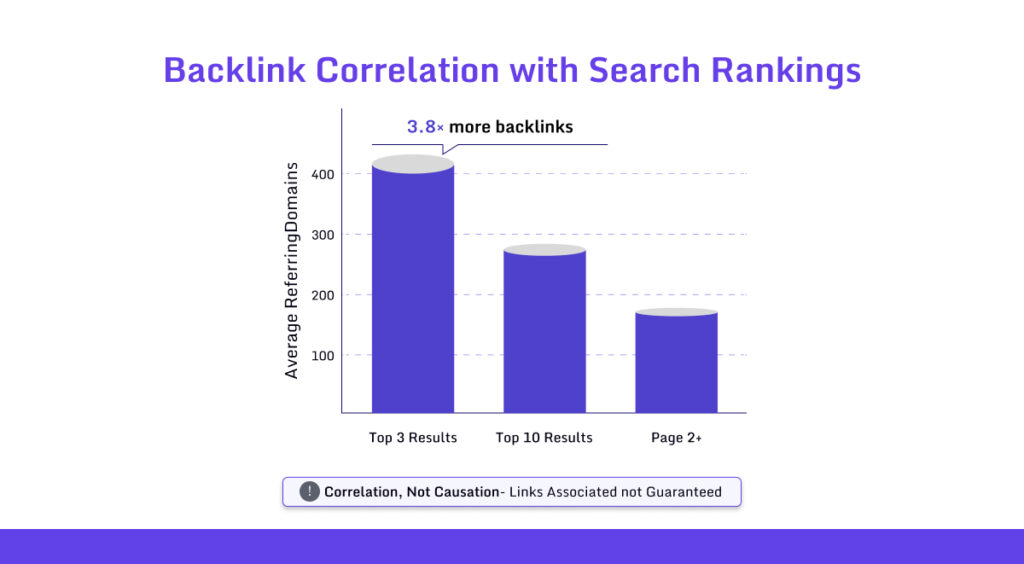
1. The page ranking #1 on Google typically has 3.8× more backlinks than pages ranking in positions 2–10. (Backlinko)
2. Around 94%–95% of pages on the web have zero external backlinks. (SEO AI)
3. The latest link-building report also says that having no backlinks is strongly associated with not ranking at all.
~92–95% of the top 100 Google ranking domains have at least one backlink. (SEMRUSH)
4. 58.1% of businesses say link building significantly improves SERP rankings. (SEO AI). So it is clear that most companies still see link acquisition as a direct driver of better rankings.
5. Moreover, 94% of marketers expect link building to remain relevant for search rankings over the next 5 years. (AIRA)
6. 11.8 million Google search results analyzed in large-scale correlation studies continue to show a strong relationship between higher rankings and the number of referring domains. (Backlinko)
7. But link quality is more important than quantity. 93.8% of link builders agree that link quality matters more than link quantity for SEO success. (Authority hacker)
8. Pages with at least one backlink are ~77% more likely to rank in the top 10 results compared to pages without backlinks. (Ranktracker)
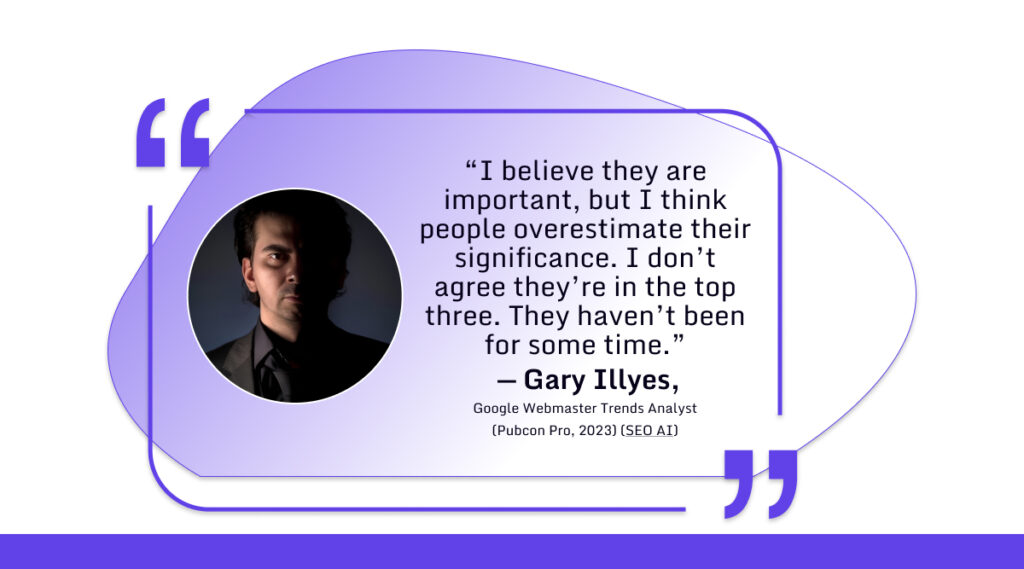
9. However, there are different perspectives in it. Google representative Gary Illyes has stated publicly that backlinks are not among the top three factors anymore:
Link Building Stats on Digital PR, Budgeting, and Projection
Link building is not a minor component. It often commands a significant slice of SEO budgets.
10. On average, marketers allocate ~28% of their SEO budget specifically to link-building efforts. (Authority hacker)
11. Agencies allocate 32.1% of SEO budgets to link building, while in-house teams allocate 36.03% (Rockingweb).
12. Yet 78% of SEOs see positive ROI from link building (Authority Hacker).
13. According to BuzzStream, a standard guest post costs around $220, while high-quality posts can reach $609. Paid link insertions typically run $141. (Buzzstream)
14. Digital PR has officially taken the lead, with 48.6% of experts rating it as the most effective tactic for 2026. (Aira Report)
15. When executing high-level Digital PR campaigns, the average cost per link ranges from $1,250 to $1,500 due to the intensive resource requirements of earned media. (siegemedia)
16. uSERP surveyed 800 SEO professionals. They fund 46.5% of SEO professionals allocate between $5,000 and $10,000 per month specifically for link acquisition to remain competitive. (uSERP)
17. According to this survey, monthly link-building expenses usually fall within the range of:
- ➜ ~$1,000–$5,000 (common for small-medium campaigns)
- ➜ ~$5,000–$10,000 (typical for mid-sized professional efforts)
- ➜ $10,000+ (larger enterprise/competitive niches) (uSERP)
However, there’s a wide range in what “paid links” cost. On average, securing a paid link costs around $83. (Ahrefs)
18. Monthly spend data shows that 47% of businesses invest more than 600 pounds per month in link building, and around 14% exceed 1,500 pounds (Digital PR Stats).
19. Another survey reports that 46.5% of companies cluster their monthly link budgets between 5,000 and 10,000 dollars (Fatjoe).
Average Cost Per High‑quality Link:

20. Recent studies show the average cost of a high-quality link ranges from $500–$600, including campaign fees.
One report notes $597 per link, with hero content and top-authority placements costing more.
Practitioners often cite $500–$1,000 for strong guest posts or editorial links in competitive industries (Digital PR Stats).
Link Building Statistics on Tactics, Tools & Success Rates
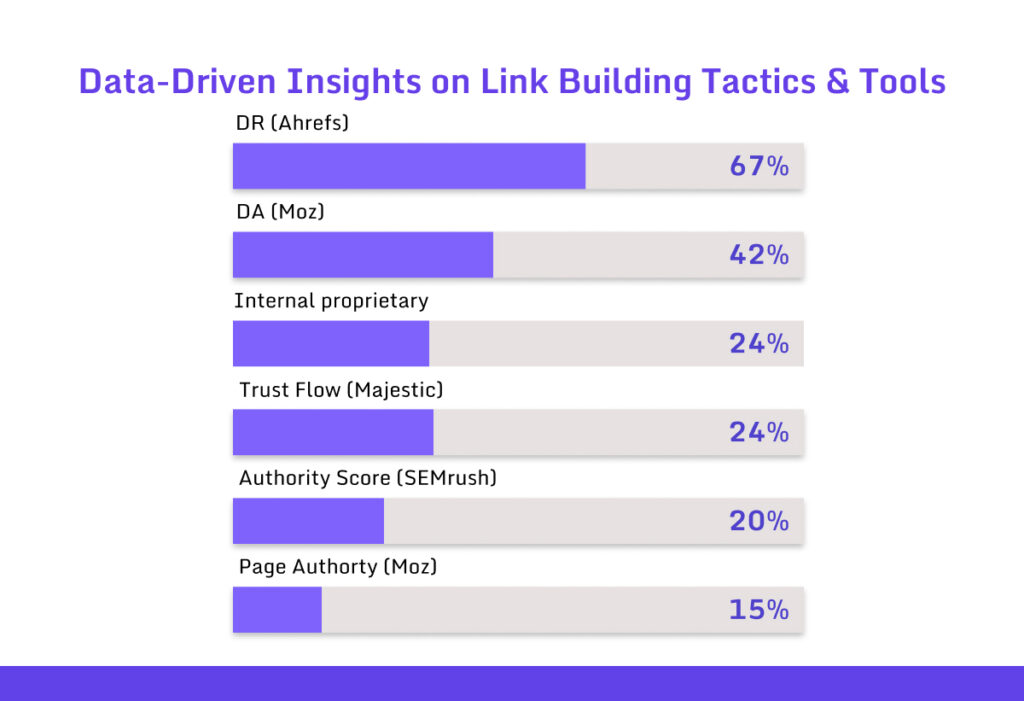
Here are backlink analysis statistics that show which tactics work best, the tools worth using, and the success rates you can expect.
Among SEO pros surveyed:
21. 82% use Ahrefs for link research & competitor backlink analysis. (aira)
22. 86.67% use SEMrush for backlink tracking & opportunity discovery.
23. Moreover, in link quality assessment, 42% of marketers prioritize Domain Authority (DA). (aira)
24. 67% track Domain Rating (DR) from Moz. (aira)
25. 15% use Page Authority (PA) as a quality metric. (aira)
26. As of 2026, 86% of SEO experts have integrated AI tools into their workflow to assist with prospecting and link-quality assessment. (omnius)
27. In Aira’s State of Link Building research, 94% of SEO professionals say links will still be a signal Google uses in its ranking algorithm in five years, and 73% say the same for 10 years (searchendurance).
Beyond Rankings: Authority And Brand Value
28. 58.4% of SEO specialists rate link building’s impact in the 7–10 “high impact” range, and 85% say it strengthens brand authority. (Editorial.Link)
29. Sixth City reports that nearly 80% of SEOs see link building as essential, confirming that links drive rankings and build brands.
Success Rates of Link Building Content Types
30. Long-form content generates ~56% more backlinks than shorter content. (Backlinko)
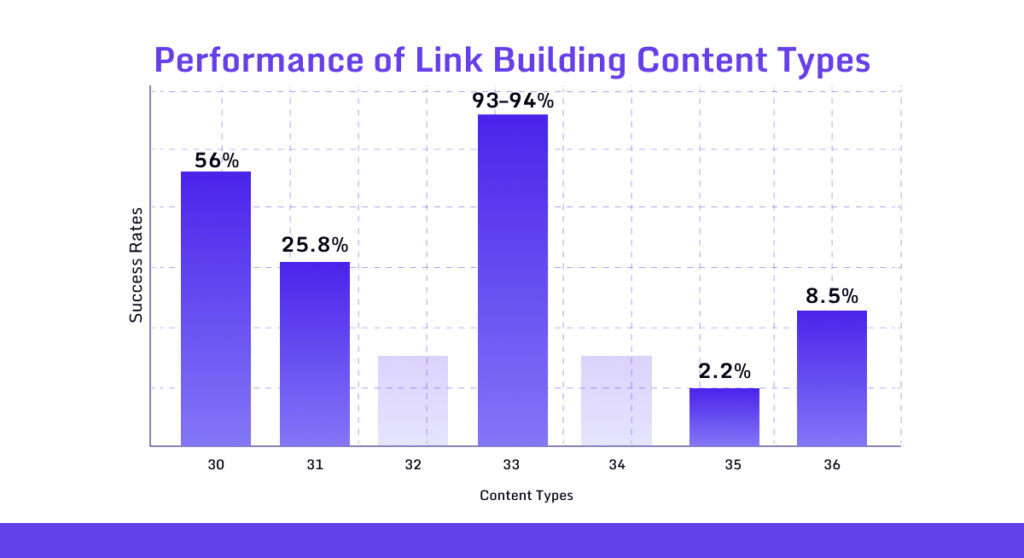
31. “Why” posts, “What” posts, and infographics receive 25.8% more referring domain links than how-to posts and videos. (backlinko)
32. Infographics rank among the top 3 content formats for backlinks, despite generating fewer social shares than list posts. (backlinko)
33. B2B and B2C content show similar backlink distribution, with 93–94% of content in both categories earning no external links. (backlinko)
34. Link building remains challenging. Most content doesn’t generate many links without strategic outreach.
35. Just 2.2% of content attracts links from multiple websites, meaning most backlinks concentrate on a very small set of pages. (backlinko)
36. Industry data shows that only 8.5% of all cold outreach emails intended for link building actually receive a response from the recipient. (Backlinko)
Statistics on the Link Building Advantages and ROI
37. 30% of all link-building publications generated qualified organic traffic. (Growwer Link Building & Media Report 2024)
38. Websites with a robust, high-quality backlink profile see an average of 77% more organic traffic than those without a strategic link profile. (Medium)
39. A significant 76.1% of pages cited in Google’s AI Overviews also rank in the top 10 organic results. That means traditional link authority is a primary filter for AI answers. (Ahrefs)
Additionally, high-quality link building via digital PR can generate compounding, long-term traffic, not just short-term ranking boosts.
40. A successful digital PR campaign can be responsible for over 33% of the site’s lifetime referral traffic from locations like North America and Europe.
41. Top campaigns can generate 50-70+ referring domains with high Domain Authority (DA 60-95) over 12 months in Asia, including tactics like newsjacking.
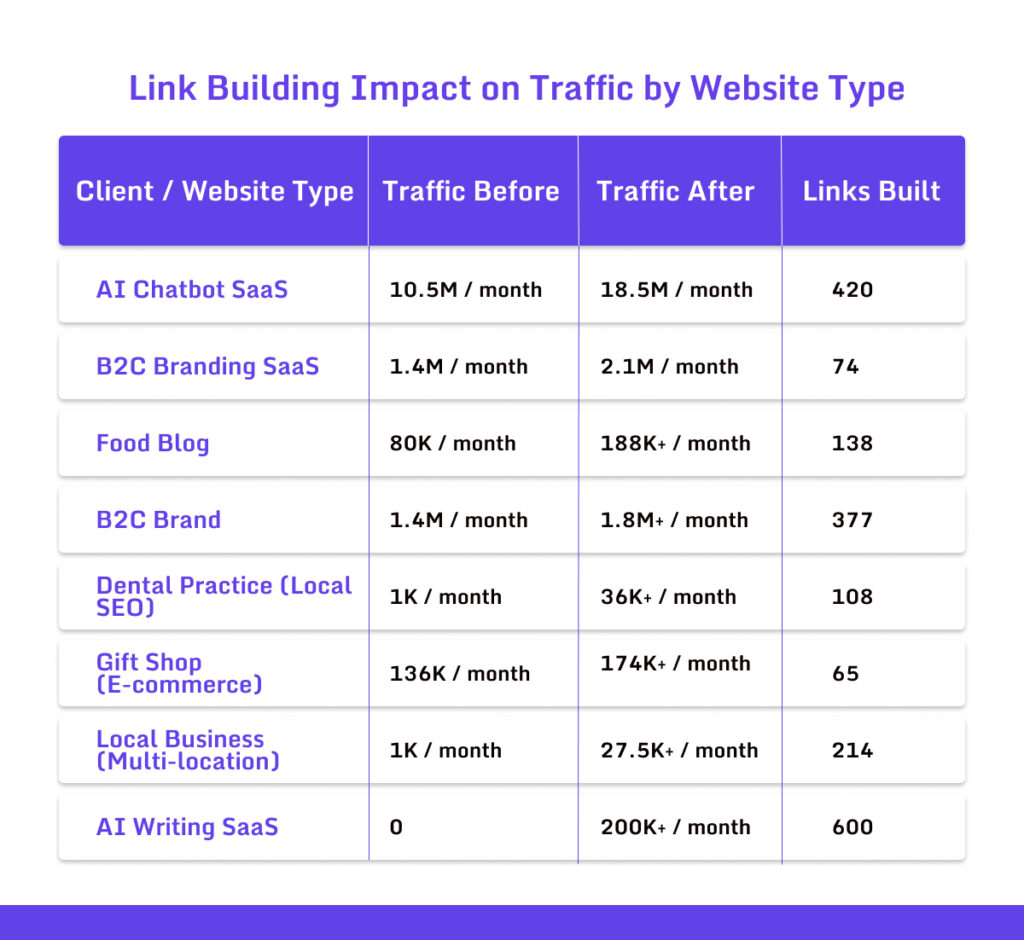
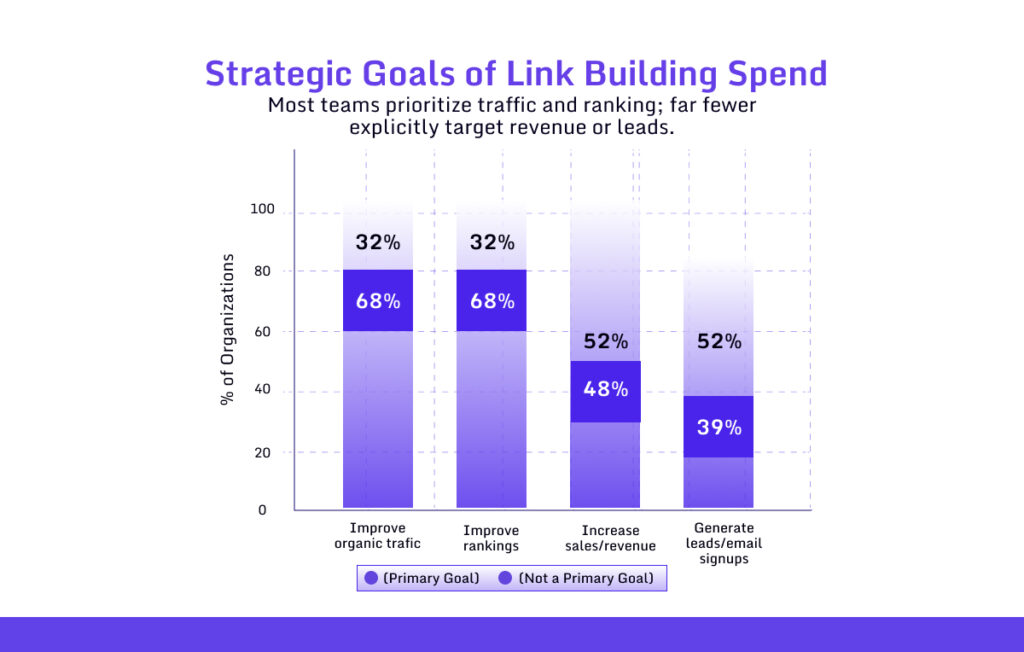
42. 9 out of 10 agencies still see link building as a visibility tool first, revenue driver second.
43. 68% invest primarily to boost organic traffic. Only 48% focus on sales or revenue, and 39% on leads or email signups. (BuzzStream).
Link Building Trends & Future Statistics (2023–2026)
More than half of specialists expect link-building budgets to grow.
44. 56% of link builders plan to increase link-building investments in the next 12 months, with only a small minority planning to decrease spend. (BuzzStream)
45. 68% of link builders expect link building to become more important due to AI. (BuzzStream)
46. But 62% are prioritizing citations in AI-generated search results as part of their future strategy. (BuzzStream)
47. 65% of organizations say they will continue supporting link building as a long-term SEO strategy. (BuzzStream)
48. 65% of users still click on traditional blue links, even in an increasingly AI-driven search world. (Backlinko).
You will find these trends consistently reflected in real backlink data and industry surveys. Let’s look at the key backlink stats.
49. Ahrefs has indexed tens of trillions of backlinks. (Semrush)
50. SEMrush’s backlink database exceeds 43 trillion links. (ahrefs)
Link building is evolving toward more natural and diverse link profiles.
51. 78.8% of SEO professionals believe that nofollow links still have an impact on rankings. (Search Engine Land)
52. 80.9% of SEO professionals also believe that unlinked brand mentions influence organic search rankings. (Search Engine Land)
Statistics on link building Link Building Risks, Ethics & Challenges
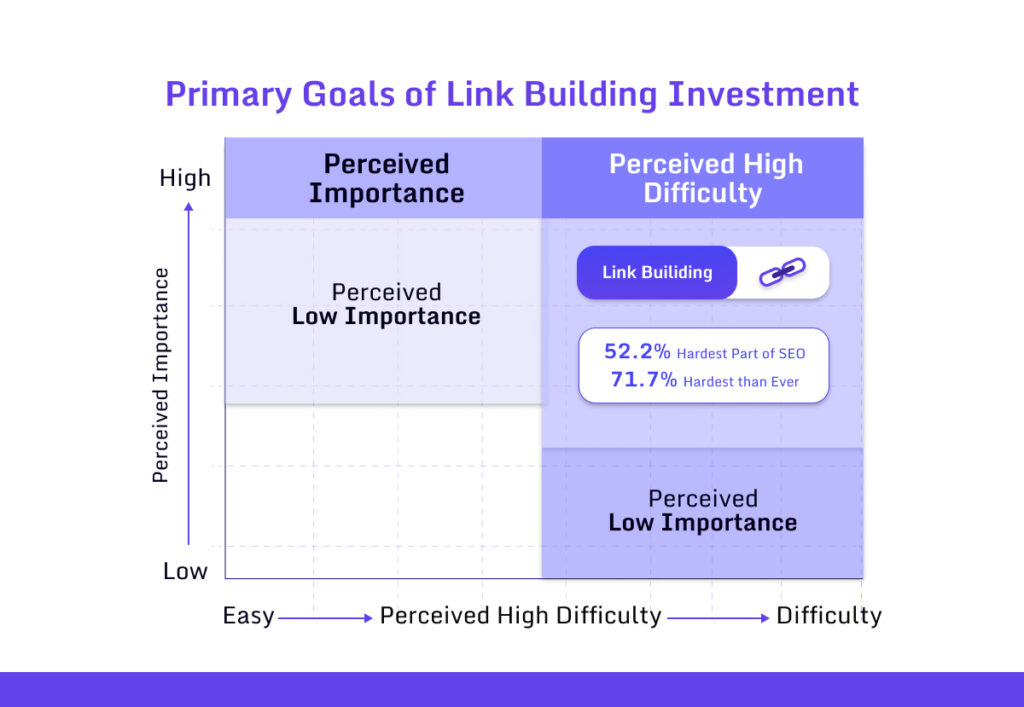
53. In a 2025 survey of 518 SEO pros, 71.7% said link building is harder than ever. Meanwhile, 55.2% call it the toughest part of SEO, even as backlinks remain key (Editorial Link).
54. 55.2% of senior SEO specialists say link building is the most challenging part of SEO. (Authority Hacker)
55. Roughly 66.5% of links acquired in the last decade are now inactive, meaning strategies must account for a high “churn rate” to maintain rankings (Amra & Elma).
56. 56% of SEO professionals don’t believe Google can effectively detect and discount paid links. (Amra & Elma)
57. 52.3% of digital marketers rank link building as the most challenging aspect of SEO due to the time required for personalization and relationship building (DemandSage).
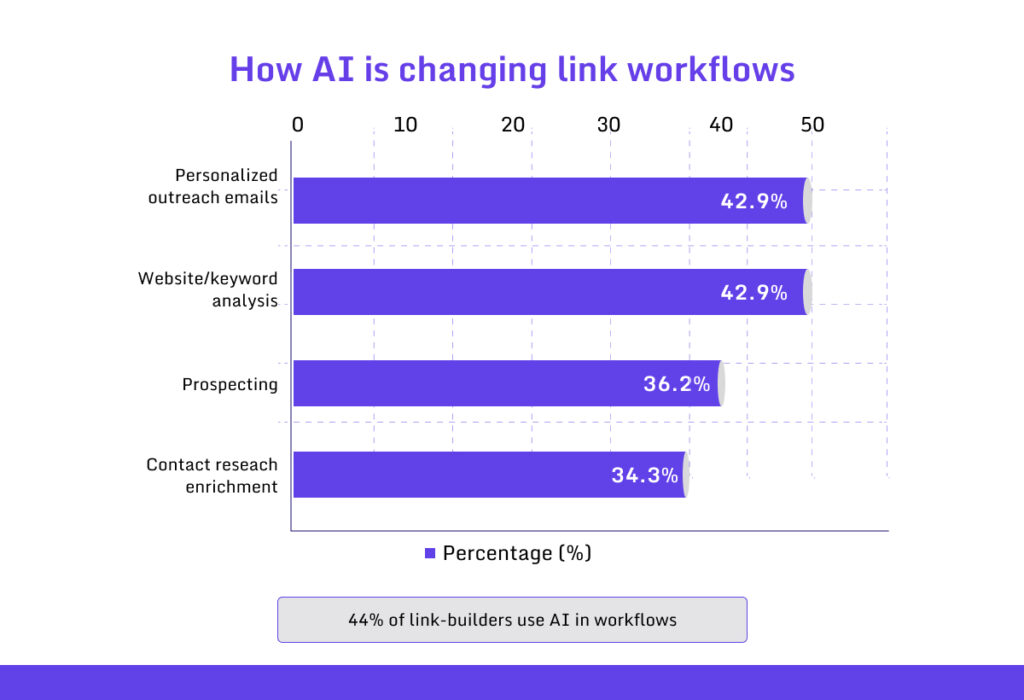
58. BuzzStream has surveyed 26,000+ sites and found that 85.3% of guest posting sites fail to meet quality standards. (Buzzstream)
59. The few high-quality sites that remain come at a premium, typically costing $692–$957 through vendors, with top-tier placements exceeding $3,000. (Buzzstream)
60. Only 36% of companies use consultants who are fully transparent about their link sources. (Source: MyCodelessWebsite).
It often leads to “toxic” link profiles that can cause sudden ranking drops.
Timelines, Capacity, and Operational Limits
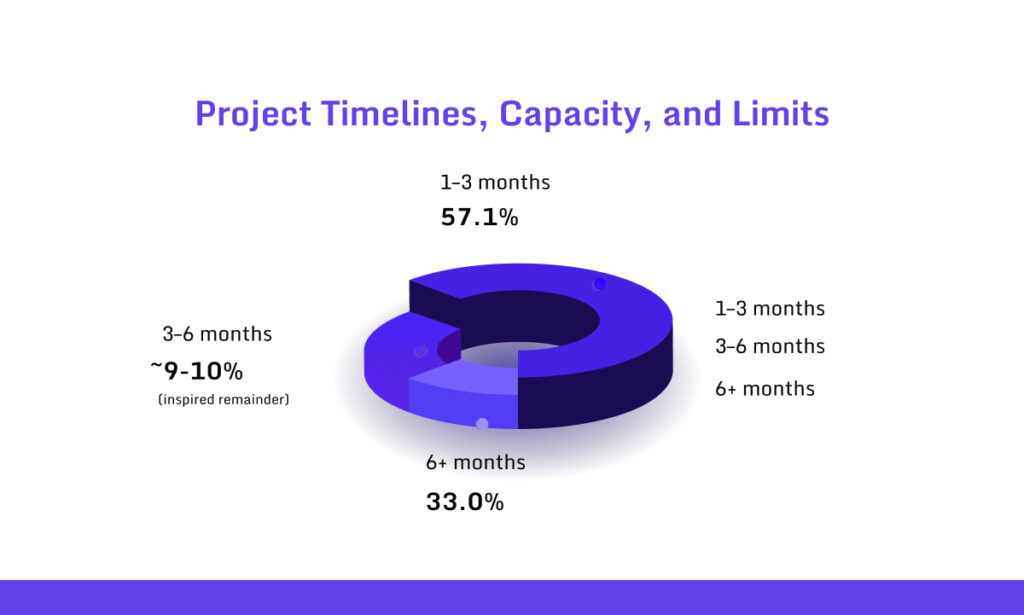
Most link-building teams work under tight time expectations. These link building statistics will show you the latest numbers.
61. 57.1% expect results within 1–3 months, 33% within 3–6 months, and only a few wait longer than six months (Editorial).
62. Sixth City and FatJoe note that links are seen as medium-term levers, initial impact appears within a quarter, while full effects take longer to compound.
Link Quality vs Link Quantity Statistics
SEO isn’t just about the quantity of links, but the quality and context. Our backlink statistics guide will explain everything in detail.
63. 49. 93.8% of link builders now prioritize link quality over sheer volume (Authority Hacker).
64. While 43.7% of top-ranking pages use some reciprocal linking, excessive “A-to-B, B-to-A” swaps are now easily detected as manipulative schemes (Source: Backlinko).
65. 94% of web pages receive no external backlinks at all.(Backlinko)
66. Despite the focus on quality, 56.2% of SEO experts believe that both quality and quantity are necessary to dominate rankings, while only 7.8% believe quantity alone works (uSERP).
67. While quality is the priority, the “Quantity” needed varies significantly based on how competitive your keyword is.
| Competition Level | Keyword Difficulty (0-100) | Estimated Backlinks Needed | Minimum Quality Required |
|---|---|---|---|
| Low | 0-20 | 10-30 | Medium (DR 20+) |
| Medium | 21-50 | 50-150 | High (DR 40+) |
| High | 51-80 | 200-500 | Very High (DR 60+) |
| Enterprise | 81-100 | 500-5,000+ | Premium (DR 80+) |
(Source: Outrank)
Niche & Industry Specifics Link Building Statistics
Different industries attract links at vastly different rates. Get to know some of the latest link building statistics by industry:
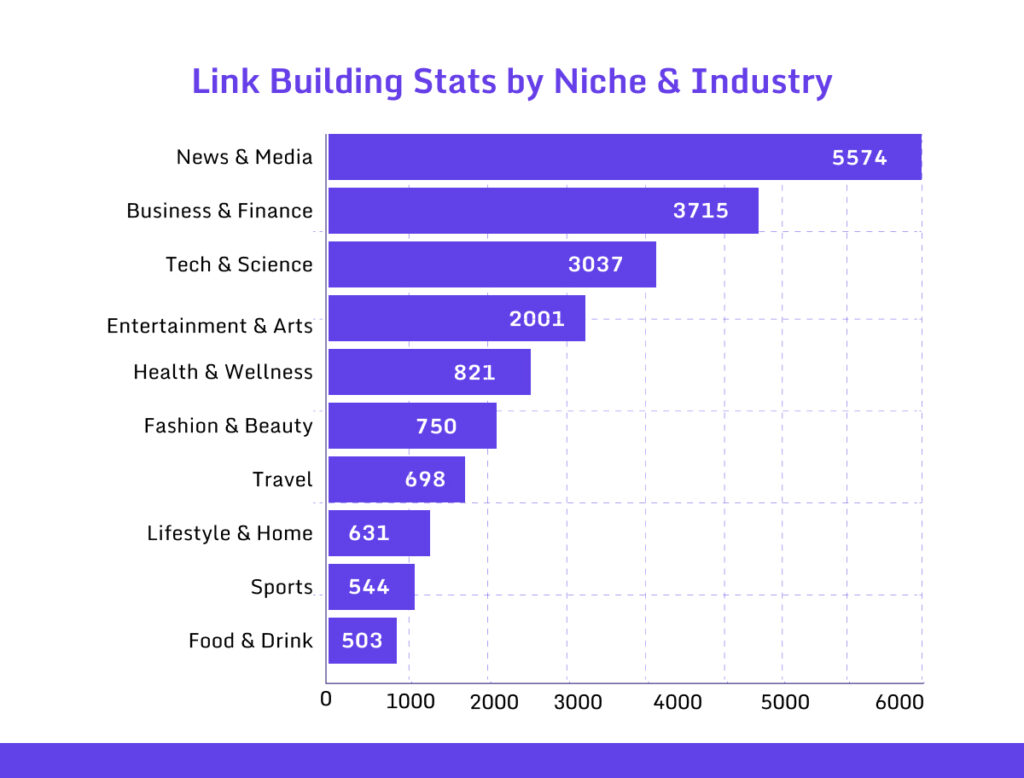
(Source)
68. SaaS topics are niche and industry‑specific, so fewer sites naturally link to them simply because they have less universal appeal. (The Backlink Company)
69. Siege Media published a massive study titled “The 2026 Link Gap,” where they analyzed the performance of 100 industry-leading websites across various sectors.
And here are the findings on how many links a site earns for every 10,000 organic visits.
| Category | Outreach Link Ratio (OLR) |
|---|---|
| Real Estate | 14.4 |
| E-commerce | 8.7 |
| Fintech | 3.8 |
| Travel | 3.4 |
| B2B SaaS | 2.5 |
| Education | 1.5 |
70. Clothing brands can obtain a 499% organic traffic increase by using high-authority placements.
71. Data studies and “state of the industry” reports are the gold standard. Infographics in the tech space can boost backlink acquisition by 178% (Meetanshi).
72. Travel is reported as the easiest industry to build links, with 45.1% of link builders agreeing it’s easier than other niches. (BuzzStream).
73. Additionally, Fashion/Beauty (29%), Education (24.9%), and Health/Wellness (21.4%) are seen as more challenging for link acquisition. (BuzzStream).
Content-led Link Building Statistics
Content remains one of the most effective and widely used tactics for earning backlinks, not just because it exists.
74. 68% of SEOs use content marketing specifically to build links. While 54% leverage competitor analysis to identify link opportunities and replicate successful strategies from competing sites. (Aira)
75. Another survey shows that 86% of respondents confirmed that they create content with link acquisition in mind. (aira)
76. In terms of hands-on engagement, 82% of SEOs are involved in content creation. (Buzzstream)
77. When SEOs were asked if they produce content with the explicit goal of generating links, most of them said that it was an intentional outcome of their editorial efforts.
Types Of Link Building Percentages
78. Data from backlink research suggests that about 89–98.9% of backlinks are DoFollow. (Link Building Media Report).
79. Ahrefs data shows that only ~10.6% of backlinks to top sites are nofollow. (Ahrefs)
80. No-follow links, while fewer are still part of a natural backlink profile. An optimal backlink ratio for dofollow:nofollow is 70:30 or 60:40. (Outreach Monks)
Link Building Placement Trends
81. Homepage links now make up about 35.85% of backlinks, down from 45.41%.
82. Links to category pages climbed to 27.27%, up more than 8 percentage points.
83. Service pages account for 20.43% of backlinks.
84. Blog posts still attract links (~12.12%), though their share has dipped as other page types rise in priority.
85. Social media links jumped from ~0.62% to ~3.03%, indicating that even platforms outside traditional publishing now contribute to link profiles.
Link Velocity Statistics: How Fast Is Too Fast in 2026?
In 2026, “Link Velocity” isn’t a fixed number. It’s a ratio of content to links.
86. 54% of successful SEOs build between 5 and 20 links every single month.
87. A sudden jump from 5 to 500 links in a week is flagged instantly unless it aligns with a content launch or PR event. (Source: iMark Infotech)
88. For brand-new domains, experts recommend earning only 10–30 links per month during the first 6 months to build a “trust foundation” before scaling. (Source: Jeenam Infotech).
89. Even research shows that pages that are not updated for 3+ months often result in a loss of “freshness” links. It loses an average of 23% of its traffic compared to competitors who maintain high link velocity. (Guangsuan)
What Early Data Says About AI and Links (Emerging Signals)
90. 80.9% of SEO pros say unlinked brand mentions affect rankings, showing brand prominence and entity recognition now matter alongside traditional links (Editorial Link).
91. About 44% of link-builders use AI in workflows. Top applications include personalized outreach (44.8%), site and keyword analysis (42.9%), prospecting (36.2%), and contact research/data enrichment (34.3%) (Editorial Link).
Link Building Benchmarks by Website Size
The number of links needed and the budget required are not “one-size-fits-all.” Industry leaders now categorize performance benchmarks into three distinct tiers.
92. Small Sites & Local Businesses:
Monthly Link Goal: 2 to 5 high-authority links.
Average Budget: $1,000 – $5,000 per month for SEO, with approximately 28% of that dedicated to link acquisition. (Source: WordStream)
Primary Tactics are local citations, niche directories, and “unlinked brand mentions” from local news or community blogs.
Small businesses are 23% more likely to see a direct ROI from blog-based link building than larger corporations due to lower competition in local niches. (Source: HubSpot)
93. Mid-Size Businesses (B2B & E-commerce):
Monthly Link Goal: 10 to 15 high-authority links.
Average Budget: $5,000 – $10,000 per month. (Source: WordStream)
Primary Tactics: Guest posting on DR 40+ sites and “resource page” link building.
The “Vetting” Standard: Professional mid-market campaigns typically maintain a minimum threshold of DA 30+, with a natural mix of links reaching into the 60s. (Source: SureOak)
Success Metric: Mid-size firms report a 35% increase in productivity when using AI-driven outreach tools to scale their personalized pitches. (Source: Loopex Digital)
94. Enterprise Brands
Monthly Link Goal: 30+ high-authority links.
Average Budget: $10,000 – $20,000+ per month. (Source: WordStream)
Primary Tactics: Digital PR and large-scale proprietary research (Data Studies).
Outsourcing Preference: 60% of enterprise-level organizations outsource their link building to specialized agencies to ensure quality and prevent internal bottlenecking.(Source: uSERP)
Why Link Building Still Matters in 2026?
Link building drives rankings in 2026. Quality backlinks signal trust to search engines and boost your organic visibility significantly.
1. Trust and Authority
Google sees backlinks like personal recommendations from trusted sources you respect. When authoritative sites link to you, search engines boost your rankings. Without quality links, even your best content struggles to compete today.
2. Traffic and Brand Visibility
Quality backlinks send real visitors to your site right now. These people already trust the source that recommended you. As a result, they engage more and convert faster than typical traffic.
3. Faster Content Discovery
Search engines discover your new content by following links from other sites. More backlinks mean Google finds your pages faster and indexes them immediately. This speed gives you a critical advantage over slower competitors.
4. Competitive Edge
Your competitors are actively building links while you’re reading this right now. The difference between ranking first and tenth often comes down to links. Strategic link building helps you capture the visibility and customers you deserve.
5. Long-term Value
Paid ads disappear when your budget runs out every single month. Quality backlinks deliver ongoing value for years without additional spending. Each link becomes a permanent asset that compounds consistently over time.
How to Apply These Link Building Statistics in 2026 (Actionable Takeaways)
Link building works best in 2026 when data guides your decisions, not guesswork. The goal isn’t to collect links. It’s to build authority that actually moves rankings and traffic.
How to apply these insights in practice:
- ➜ Start with your competitors. Look at the backlink profiles of the top-ranking pages. This shows what Google already rewards.
- ➜ Match your strategy to your site size. Smaller sites need fewer, more relevant links. Larger sites need consistent, authoritative coverage.
- ➜ Focus on quality first. One strong editorial link can outperform dozens of low-value placements.
- ➜ Invest with purpose. Increase spending only when link quality and placement justify the cost.
- ➜ Create assets people want to reference. Data studies, statistics pages, and original research attract links naturally.
- ➜ Watch the link velocity. Steady growth looks natural and protects rankings.
- ➜ Measure what matters. Track traffic and keyword movement, not just link counts.
To Conclude
Link building remains essential for your SEO success in 2026, period. These link building statistics prove that quality backlinks directly impact your rankings and traffic.
Focus on creating content that naturally attracts links from trusted sources. If you’re working in-house, track your results closely to demonstrate value. Agencies should distribute links strategically across different page types for balance.
Most importantly, adapt your approach as AI changes how search works. Building strong backlinks today positions you for long-term visibility tomorrow.
Frequently Asked Questions
How many backlinks do I need to rank on Google?
There’s no magic number that guarantees rankings for every site. Link building data shows that top pages have 3.8 times more backlinks than lower positions. However, quality matters far more than quantity in 2026. A few most effective backlinks outperform dozens of weak ones consistently.
What’s the most effective link building strategy right now?
Content marketing leads as the top choice among professionals today. Creating valuable resources that people naturally share delivers the best results. Digital PR and guest posting also work well for building authority. Link building popularity keeps growing because these strategies earn trust organically.
How long does it take to see results from link building?
Most sites see ranking improvements within three to six months, typically. SEO link building statistics confirm this timeline across different industries and niches. Search engines need time to crawl and evaluate your new links. Consistency matters more than speed for sustainable growth and lasting results.
Are link building costs worth the investment compared to paid ads?
Link building cost per link varies, but the long-term value beats ads. Quality backlinks keep delivering traffic for years without ongoing payments needed. Paid ads stop immediately when your budget runs out completely. Link building statistics show that strong profiles generate 77% more organic traffic over time.